Chelsea Boots
 Lace-Up Ankle Boots
 Lace-Up Long Boots
 Women’s Knee High Boots
The History of Barefoot Shoes
The History of Handcrafted Barefoot Shoes Produced in Türkiye
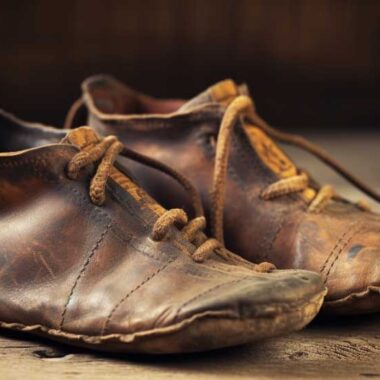
The tradition of handcrafted footwear in Türkiye dates back thousands of years, rooted in Anatolia’s rich cultural, geographical, and artisanal heritage. Long before modern footwear technologies emerged, local craftsmen produced shoes that closely followed the natural shape and movement of the human foot. These early forms of footwear can be considered the historical foundation of what we now describe as barefoot shoes.
In Anatolia, footwear was traditionally made by hand using locally sourced materials such as leather, wool, felt, and natural fibers. Shoemakers—known historically as kunduracı or yemenici—designed shoes that prioritized durability, flexibility, and comfort rather than rigid structure. Especially in rural regions and among nomadic communities, shoes were intentionally lightweight, thin-soled, and wide in the toe area, allowing the foot to move naturally while maintaining protection from the terrain.
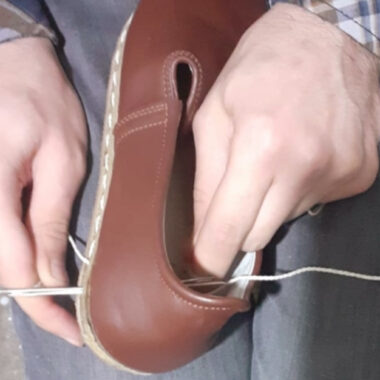
One of the most notable examples of this tradition is the yemeni, a soft leather shoe produced for centuries in regions such as Gaziantep, Kahramanmaraş, and Şanlıurfa. Yemenis were entirely handmade, stitched without nails or synthetic materials, and designed to adapt to the foot over time. Their zero-drop structure, flexible sole, and breathable leather closely resemble the core principles of modern barefoot footwear.
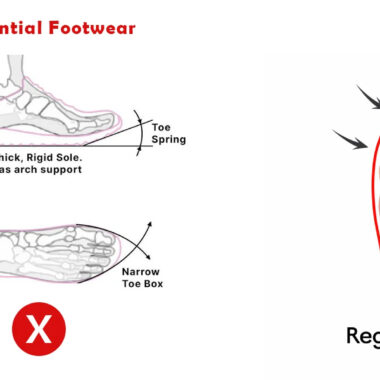
With the industrialization of footwear in the 20th century, mass production gradually replaced traditional methods. Standardized molds, elevated heels, narrow toe boxes, and rigid soles became dominant, leading to a decline in handcraft-based shoe production across Türkiye. However, the knowledge and skills of traditional shoemaking were preserved by a limited number of master artisans who continued to practice these techniques.
In recent years, growing global awareness of foot health, natural movement, and minimalist living has sparked renewed interest in barefoot footwear. In Türkiye, this movement has led to the revival of handcrafted barefoot shoes that merge traditional Anatolian shoemaking techniques with contemporary ergonomic research. Modern Turkish barefoot shoe producers emphasize ethical production, sustainability, and manual craftsmanship, often working in small workshops rather than factories.
Today, handcrafted barefoot shoes made in Türkiye represent a bridge between past and present. They combine centuries-old artisanal knowledge with modern understanding of biomechanics, offering footwear that respects the natural anatomy of the foot. As a result, Turkish handmade barefoot shoes are increasingly recognized both locally and internationally for their authenticity, quality, and cultural depth.
Our barefoot shoes are based on the Yemeni shoe that has 700 years of history and tradition, and are crafted by artisans whose trade has been passed down generation to generation. Using a unique hand-stitched sole construction and all natural materials, we took the classic version and redesigned it to incorporate a wide toe-box and a “zero-drop” flat thin sole. Our barefoot shoes unique construction allows your feet to breathe and disperse sweat, preventing odors, and can be worn with or without socks. The result is a beautifully made barefoot shoe that’s healthy, comfortable, flexible, versatile, yet durable and made to last for years.
Barefoot yemeni shoes are handmade in Türkiye.