Chelsea Boots
 Lace-Up Ankle Boots
 Lace-Up Long Boots
 Women’s Knee High Boots
Leather Shoe Care Guide
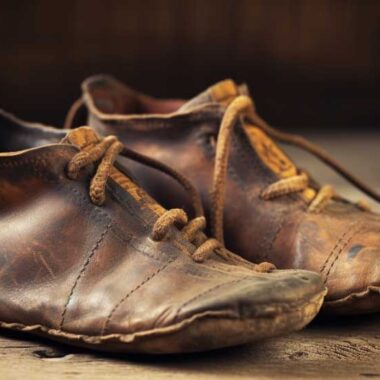
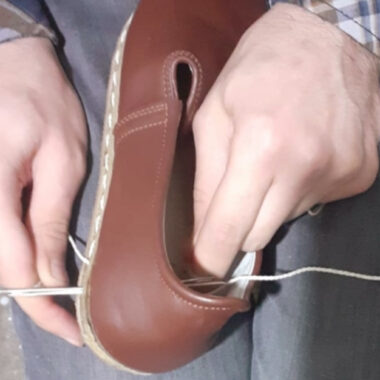
Leather shoes represent a combination of craftsmanship, natural materials, and timeless design. Unlike mass-produced footwear, they are typically made from full-grain or vegetable-tanned leather, which requires proper care to maintain its appearance, comfort, and structural integrity over time. With the right maintenance routine, handmade leather shoes can be worn and appreciated for many years.
1. Regular Cleaning
After each wear, leather shoes should be allowed to air out and any surface dust or dirt should be gently removed using a soft cloth or a natural-bristle brush. If necessary, a slightly damp cloth may be used; however, shoes should never be washed with water, as excessive moisture can damage the leather.
Tip: Avoid harsh chemical cleaners. Instead, use leather care products made with natural or leather-safe ingredients.
2. Protection from Moisture and Water
Leather is breathable but sensitive to moisture. If shoes are exposed to rain or humidity, they should be dried naturally at room temperature. Direct heat sources such as radiators, heaters, or hair dryers can cause the leather to stiffen, crack, or shrink.
Additional Protection: Applying a natural beeswax-based conditioner or a leather-protective spray can help create a moisture-resistant barrier.
3. Conditioning the Leather
Over time, leather loses its natural oils. To prevent dryness and cracking, a leather conditioner or natural oil-based cream should be applied once a month or according to usage frequency. Conditioning keeps the leather supple and enhances its natural character.
Application: Apply a thin, even layer and allow several hours for proper absorption.
4. Using Shoe Trees
Placing wooden shoe trees—preferably cedar—inside the shoes after wear helps absorb moisture and maintain the original shape. This is especially important for handmade shoes with fine stitching and thin or flexible soles.
5. Proper Storage
Handmade leather shoes should be stored in a cool, dry, and well-ventilated environment. Avoid plastic bags, as they trap moisture. Cotton or fabric shoe bags are ideal for long-term storage. Shoes that will not be worn for extended periods should always be cleaned and conditioned before storing.
6. Rotation and Rest
Wearing the same pair of shoes on consecutive days prevents the leather and sole from fully recovering. Rotating between pairs allows each shoe time to rest, improving comfort and significantly extending its lifespan.
Conclusion
With proper care, handmade leather shoes become more than just footwear—they evolve into long-lasting pieces of craftsmanship. Regular cleaning, conditioning, proper storage, and mindful use allow the leather to age beautifully, developing a unique patina while retaining its functionality and elegance.